
Feed Mixer Wagon Guides
From choosing the right model to maintenance tips, ration preparation techniques, and mechanization planning — everything you need to know about feed mixer wagons.
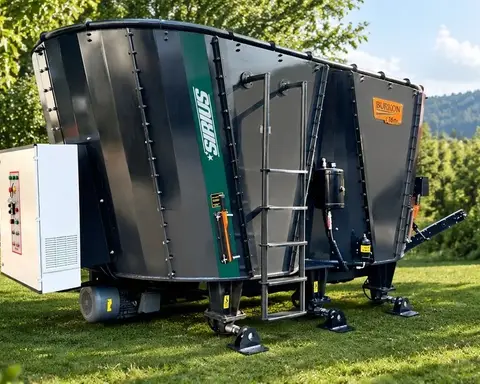
The De-Mountable Steel Frame Advantage in Feed Mixers
A de-mountable steel frame directly affects a feed mixer's durability and ease of maintenance. Here is how.
Read More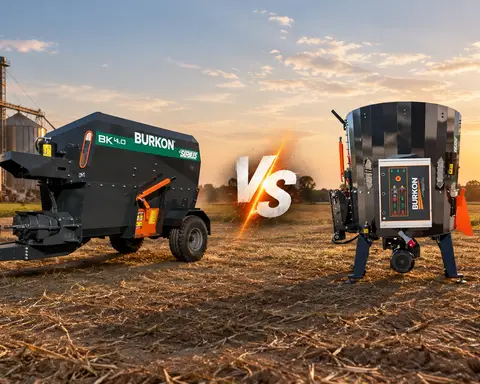
Vertical vs. Horizontal Feed Mixers: Key Differences
Vertical and horizontal feed mixers use different mixing mechanisms entirely. Here is which one suits your operation.
Read More
Mechanizing a Small Farm: Why Start With a Feed Mixer
For small and mid-sized livestock operations, the first and most effective mechanization investment is usually a feed mixer wagon.
Read More
Why Homogeneous Ration Mixing Matters for Cattle Operations
An uneven mix lets cattle selectively feed, which can hurt herd-wide performance. Here is how to improve mix quality.
Read More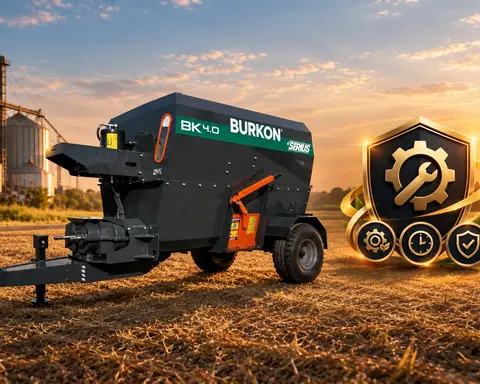
Feed Mixer Maintenance: 6 Tips for a Longer Service Life
Regular maintenance keeps your feed mixer performing well and prevents unexpected breakdowns. Here is what to check.
Read More
Choosing Between a 220V and 380V Feed Mixer
Motor choice on a stationary model comes down to your existing electrical infrastructure. Here is what to know before deciding.
Read More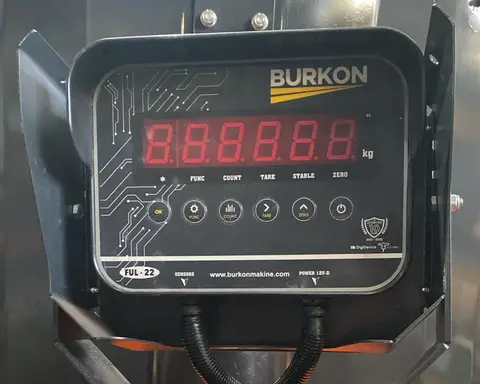
Why Choose a Feed Mixer With a Weighing System?
A weighing system is a simple option with an outsized impact on ration accuracy and feed waste. Here is how it pays off.
Read More
Single-Auger vs. Double-Auger Feed Mixers Explained
The number of augers in the tank directly affects mix homogeneity and mixing time. Here is what you need to know.
Read More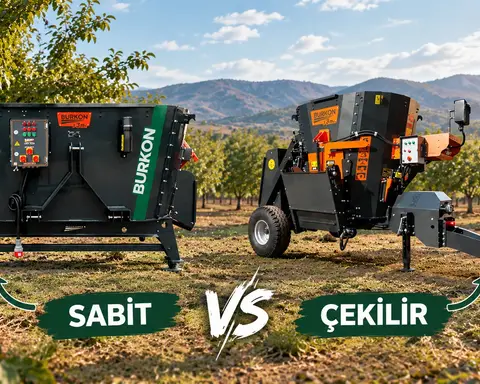
Stationary vs. TMR Trailed Feed Mixer: Which Is Right for You?
Both mixer families do the same job, but they serve different farm layouts. Here is a side-by-side comparison to help you decide.
Read More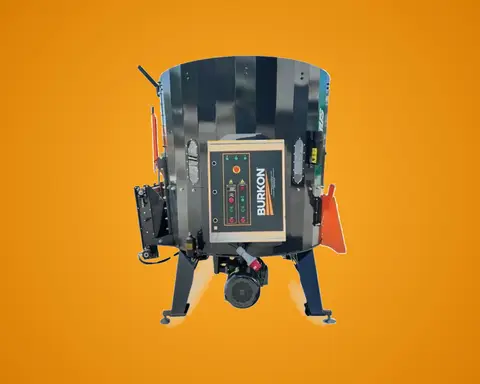
What to Look For When Buying a Feed Mixer Wagon
Choosing the right feed mixer for your farm comes down to a handful of key decisions, from capacity to body type.
Read More
Let's find the right feed mixer for your farm together
Our team can help you choose the right capacity, body type and options — call us now or fill out the form.