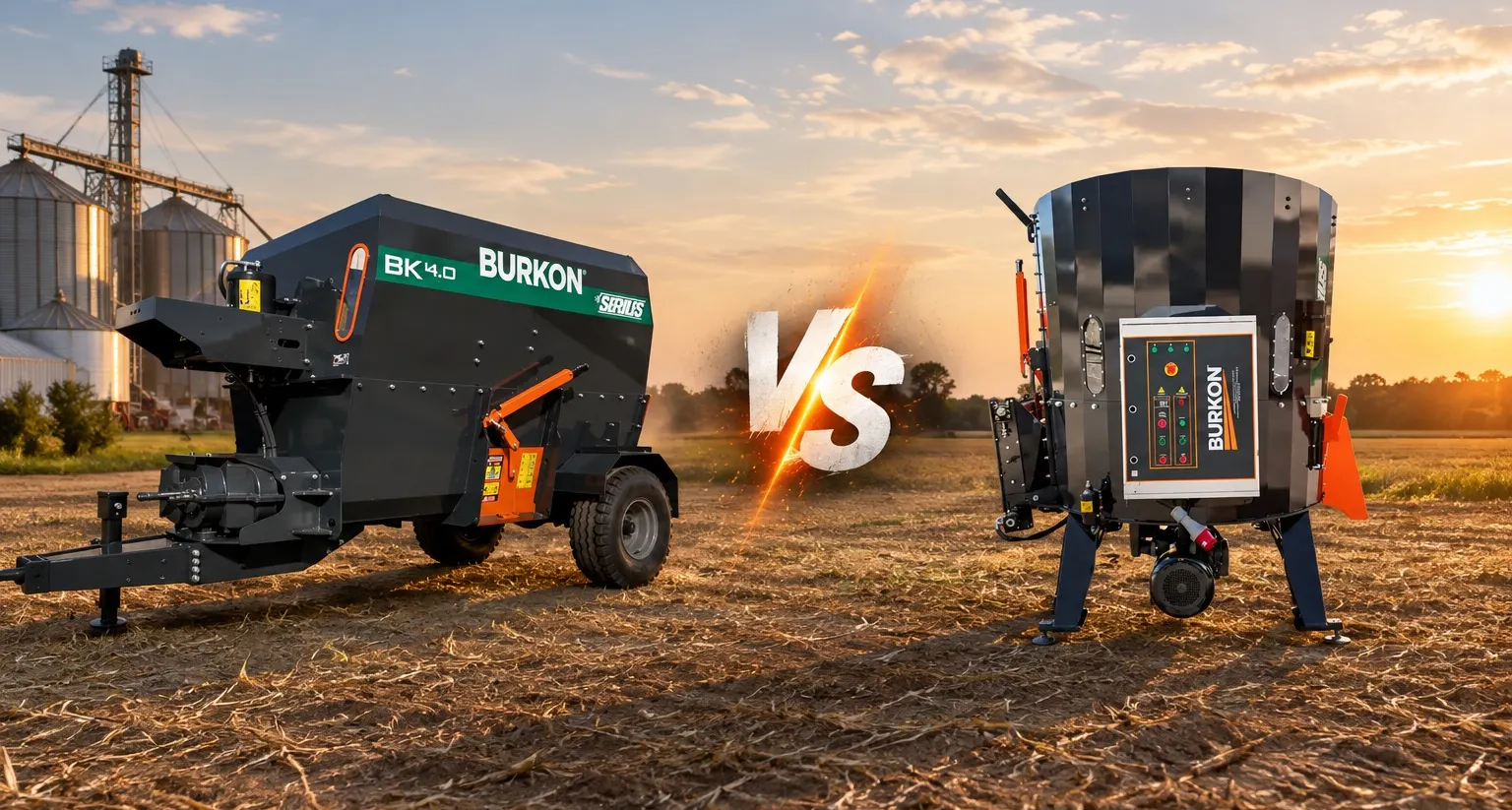
Vertical vs. Horizontal Feed Mixers: Key Differences
Vertical and horizontal feed mixers use different mixing mechanisms entirely. Here is which one suits your operation.
How a Vertical System Works
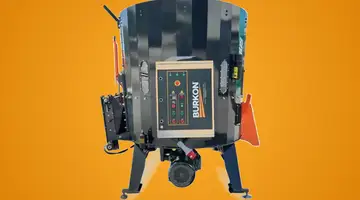
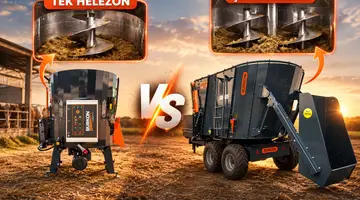
In vertical feed mixers, one or two augers rotate on a vertical axis inside a cone-shaped tank. This design scales from 0.5 m³ up to 24 m³, which is why it is used across such a wide range of farm sizes.
How a Horizontal System Works
Horizontal models mix using rotating cutting blades along the horizontal axis of a flat tank — an advantage for quickly breaking down long-fiber roughage and mixing large ration volumes.
Capacity and Scale Differences
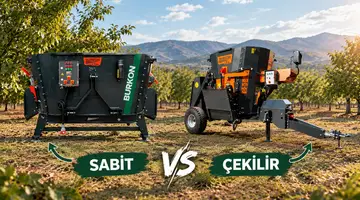
Vertical models offer a wider range of capacities and options, while horizontal models are typically built at 4 m³ and above for larger herds, and are usually TMR trailed, PTO-driven units.
Which Should Your Operation Choose?
Small-to-mid family operations generally prefer vertical models for their range of capacity options. Large cattle operations can benefit from the faster mixing and higher volume capacity of horizontal models.